|
|
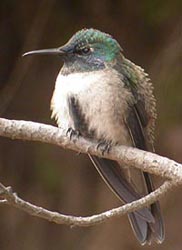
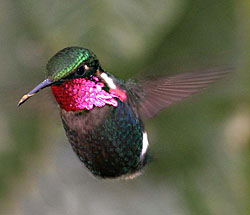
Gorgeted Woodstar
Photo by Patricio Herrera
|
|
|
After enjoying our box-lunches, we will descend the eastern slope and visit a stand of Polylepis forest for Giant Conebill, Black-backed Bush-Tanager and Páramo Tapaculo. Behind the forest there is a beautiful lake in which Silvery Grebe, Andean Coot, Andean Ruddy-Duck and Andean Teal can be found.
Later we will reach Guango Lodge, elevation 2700m, which maintains a beautiful garden with many flowers and feeders for Hummingbirds. Up to 12 species can be seen in one day and this must be the best place in the world to see Sword-billed Hummingbird. Other special hummers here include the very rare Mountain Avocetbill, Tourmaline Sunangel, Glowing and Golden-breasted Puffleg. At dusk we will look for Rufous-bellied Nighthawk.
Overnight at Guango Lodge.
|
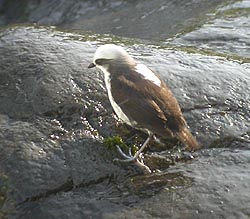
White-capped Dipper
Photo by Charlie Vogt
|
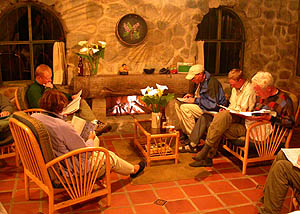
Doing the list by a comfy fire at Guango
|
|
 Back to top Back to top
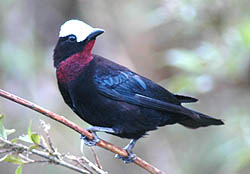
White-capped Tanager
Photo by Janos Olah Jr.
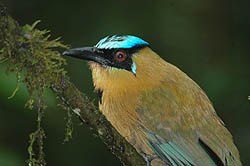
Highland Motmot
Photo by Janos Olah Jr.
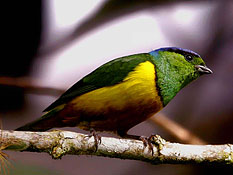
Chestnut-breasted Chlorophonia
Photo by Patricio Herrera |
Day 2 – Guango Lodge to Cabanas San Isidro.
Morning birding around Guango Lodge which offers several habitats including cloudforest, chusquea bamboo and a fast flowing river. Here we can see Torrent Duck, Masked Trogon, Turquoise Jay, with luck the rare Gray-breasted Mountain-Toucan, Bar-bellied Woodpecker, Chestnut-naped Antpitta (now habituated and regularly seen at afternoon feeding time!), Rufous-breasted Flycatcher, Slaty-backed Chat-Tyrant, Barred Becard, Plain-tailed Wren, White-capped Dipper, Blue-backed and Capped Conebill, Buff-breasted Mountain-Tanager, the beautiful Plushcap as well as Northern Mountain-Cacique.
After lunch we will depart for Cabanas San Isidro. As we drop in altitude new birds show up, and we will especially search for mixed species flocks. If it is a sunny day several species of raptors could be seen like Black-and-chestnut Eagle, Short-tailed and White-rumped Hawk. Later in the afternoon we arrive at Cabanas San Isidro, a privately owned lodge at 2000m with almost 1200 hectares of protected land and a birdlist of over 325 species. Some specialties that we will look for include Sickle-winged Guan, White-throated Quail-Dove, the beautiful Rufous-crowned Tody-Flycatcher, Bronze-olive Pygmy-Tyrant, Handsome and Pale-edged Flycatcher, the rare Dusky Piha, a lek of Andean Cock-of-the-Rock, Inca Jay, Black-billed Peppershrike, Chestnut-breasted Chlorophonia, many gorgeous Tanagers as well as Subtropical and Yellow-billed Cacique.
At night we shall look for Rufous-banded Owl and a high elevation Black-banded Owl that might be new species, the "San Isidro Mystery Owl"!
Overnight at Cabanas San Isidro.
Back to top
Day 3 – Cabanas San Isidro and Guacamayos Ridge.
|
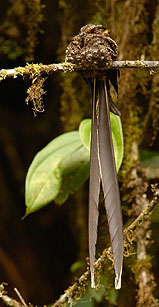
Lyre-tailed Nightjar
Photo by Peter Oxford
|
|
|
After breakfast we pause to see if the habituated Chestnut-crowned and White-bellied Antpittas will appear for their feeding. Morning birding around San Isidro along the road and their varied forest trails looking for Highland Motmot, Crested and Golden-headed Quetzal, Black-billed Mountain-Toucan, Rusty-winged and Spotted Barbtail, Streaked Tuftedcheek, Striped Treehunter. Later we will check the feeders for Fawn-breasted Brilliant, Chestnut-breasted Coronet, Long-tailed Sylph, Bronzy Inca, Tawny-bellied Hermit and, if we are lucky, maybe the very rare Gorgeted Woodstar.
Afternoon around the lodge we look for some specialties that include White-capped Parrot, Barred Parakeet, Powerful and Yellow-vented Woodpecker, the beautiful Rufous-crowned Tody-Flycatcher, Bronze-olive Pygmy-Tyrant, Handsome and Pale-edged Flycatcher, the rare Dusky Piha, a lek of Andean Cock-of-the-Rock, Inca Jay, Black-billed Peppershrike, Chestnut-breasted Chlorophonia, several gorgeous Tanagers as well as Subtropical and Yellow-billed Cacique.
Around dusk we can go for Lyre-tailed and Band-winged Nightjar, and Rufescent and White-throated Screech-Owl.
Overnight at Cabanas San Isidro.
|
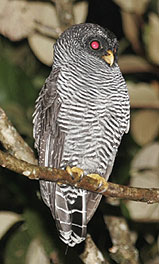
San Isidro Owl
Photo by Boris Herrera
|
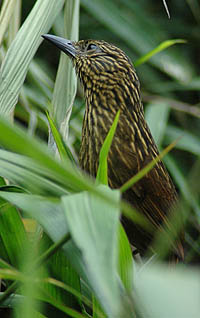
Flammulated Treehunter
Photo by Janos Olah Jr.
|
|
Back to top
Day 4 – Cabanas San Isidro to Orchids Paradise.
|
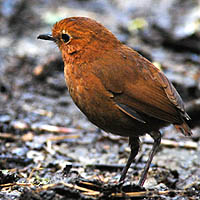
Rufous Antpitta
Photo by Janos Olah Jr.
|
|
|
We bird the morning on the Guacamayos ridge trail for Scaly-naped Amazon, Slate-crowned Antpitta, Barred Antthrush, Rufous-headed Pygmy-Tyrant, Slaty-backed Chat-Tyrant, Flammulated Treehunter, Sickle-winged Guan, White-throated Quail-Dove, the rare Olivaceous Piha and with a lot of luck for the very rare, White-rimmed Brush-Finch, White-faced Nunbird and Greater Scythebill. Back to the vehicle, we continue along the ridge dropping down to Amazonia for a lot of new species. including for White-tailed Hillstar, Chestnut-bellied Thrush, Vermilion Tanager.
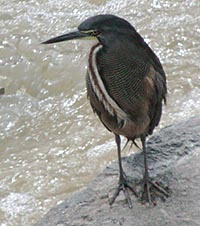
After lunch we bird our way towards Archidona, a town situated at 600m elevation. Here we look for Fasciated Tiger-Heron, occasionally seen on the fast flowing rivers, White-eyed Parakeet, Smooth -billed Ani, Short-tailed Swift, Ringed Kingfisher, Little and Yellow-tufted Woodpecker. Other birds that might appear include Orange-fronted Plushcrown, Sooty-headed Tyrannulet, the beautiful Golden-winged Tody-Flycatcher, Long-tailed Tyrant, Thrush-like Wren and the curious Black-capped Donacobius. Black-billed Thrush is common as well as several species of tanagers; Black-faced Dacnis, the dimorphic Swallow Tanager, the showy Magpie, Blue-necked and Turquoise Tanager.
At dusk we listen for Tropical Screech-Owl near our hotel.
Overnight at Orchids Paradise.
Back to top
|
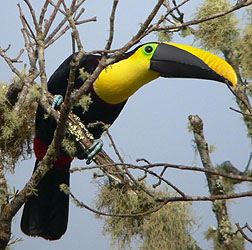
Black-mandibled Toucan
Photo by Jim Olson
|
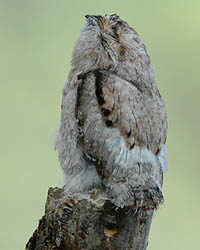
Common Potoo
Photo by Janos Olah Jr.
|
|
Day 5 - El Para/Archidona and Loreto Road to Wildsumaco Lodge.
IIn the early morning we head north of Archidona to hacienda el Para (elevation 900m) for lower foothill specialties such as Striated Antbird, Fasciated and White-shouldered Antshrike as well as Large-headed Flatbill. Then we explore the remnant patches of rainforest east of Archidona . Though mostly cut-over, these patches of secondary forest are packed with birds. We shall look for Coraya Wren, Black Antbird, the warbler-like ovenbird Orange-fronted Plushcrown, Dusky-billed Parottlet, and the elusive Black-banded Crake. In this area we will also have a chance on some rare and difficult to see birds such as Black Bushbird, Rufous-breasted Piculet, Striped Manakin and the spectacular Hairy-crested Antbird.
After enjoying our box-lunches we bird the entrance of the Loreto Road. Many common birds abound here in the secondary forest and adjacent pastures. Yellow-browed Sparrow, Dark-breasted Spinetail, and Olive-chested Flycatcher are just a few of the new friends we will encounter. As we drive along the road the scenery changes and we will have some spectacular views of the east Andean foothills as well as the Amazonian lowlands. We will make several stops at lush patches of tall rainforest looking for Blue-naped Chlorophonia, Golden-eyed Flowerpiercer and with luck Spot-winged Parrotlet and Military Macaw. Along the steep roadcuts several Cliff Flycatchers can be seen sallying for insects together with Blue-and-white Swallow. We will make a prolonged stop at one of the taller cliffs scoping for the rare Orange-breasted Falcon.
Further along we approach the base of the Sumaco volcano. We arrive at the new Wildsumaco lodge for late afternoon birding, dinner and overnight.
|
Fasciated Tiger-Heron
Photo by Bob Pease
|
|
|
Day 6 - Wildsumaco.
AWildsumaco Lodge, located at 1500m, protects over 500 acres of subtropical rainforest and 400 bird species (the list is growing rapidly). It is nestled at the base of Sumaco volcano which rises above the Amazon basin. Here in the eastern foothills we find one of the highest diversities of bird species in the world. Some of the species we might see today include Collared Trogon and Lafresnaye's Piculet. Regional specialties we will seek include the near endemic Coppery-chested Jacamar (the Wildsumaco logo), Striolated Puffbird, Chestnut-tipped Toucanet, Equatorial Graytail, Black-billed Treehunter, Lined Antshrike, Blackish Antbird, Short-tailed Antthrush and several species of flycatchers, for example Black-and-white Tody-Tyrant and Yellow-cheeked Becard.
Three beautiful cotingas are possible, namely Scarlet-breasted and Fiery-throated Fruiteater as well as Amazonian Umbrellabird. Other alluring species include Blue-rumped Manakin, Musician Wren, Golden-eyed Flowerpiercer and several flashy tanagers including the spectacular Paradise as well as Orange-eared Tanager. Hummingbird feeders usually yield Green Hermit, Many-spotted & Violet-headed Hummingbird, Ecuadorian Piedtail, Golden-tailed Sapphire, Napo Sabrewing, Grey-chinned Hermit, Fork-tailed Woodnymph, as well as Green & Sparkling Violetear.
At night we shall try for Tropical, Rufescent & Foothill Screech-Owl and the local Band-bellied Owl. Dinner and overnight at Wildsumaco Lodge.
|
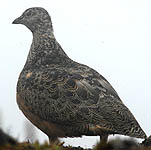
Rufous-bellied Seedsnipe
Photo by Janos Olah Jr.
|
|
|
Day 7 - Wildsumaco.
In the morning we will continue looking for more birds and of special interest in this area such as Black-streaked Puffbird, Rufous-naped Greenlet, the recently described Foothill Elaenia, Yellow-breasted Antwren that often accompanies mixed species flocks high in the canopy together with Gray-mantled Wren, Streaked Xenops, Ecuadorian Tyrranulet, the rare White-fronted Tyrranulet and Lemon-browed Flycatcher. Sometimes a Black Hawk-Eagle soars high above the forest or a loud flock of Maroon-tailed Parakeets flashes through the mid canopy. Overnight Wildsumaco Lodge.
Just new to the list is the extremely rare Andean Laniisoma and Straw-backed Tanager, the latter is a 220km northern range extension. A number of "outlying ridge" species known from the far southeast Cordillera del Condor and Cutucú have been recently discovered in the area and more will appear...!
Day 8 - Wildsumaco and return to Quito or on to Coca for return flight.
In the morning we continue to clean up on foothill specialties such as Rufous-rumped and Foothill Antwren, Chestnut-crowned Gnateater, as well as Variegated Bristle-Tyrant, and Golden-winged Manakin. Before noon we reluctantly leave this birding El Dorado and drive back towards Quito looking for more birds along the way.
Alternatively, we can bird downslope in tropical forest patches on the way to Coca for Blackish Rail and open country species such as Pearl Kite, White-eared Jacamar, Red-breasted Blackbird, Red-rumped Cacique and catch the late-afternoon flight to Quito.
Dinner and overnight at Hotel Sebastian in Quito.
Back to top
Tour Information
Price per person: Click here for prices
Included: All lodging, meals, expert bilingual birdguide, transportation, hotel transfer and entrance fees.
Not included: Last night dinner; drinks; tips.
See our Payment and Cancellation Policy page for important information.
|
|